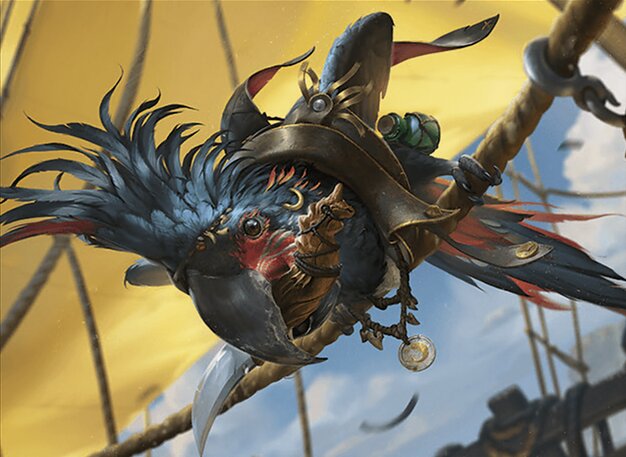
Francisco, Fowl Marauder is one of those cards players keep asking about. Here is, in plain words, what its official text says, the rulings published by Wizards of the Coast, and the combos players actually run.
Official card text
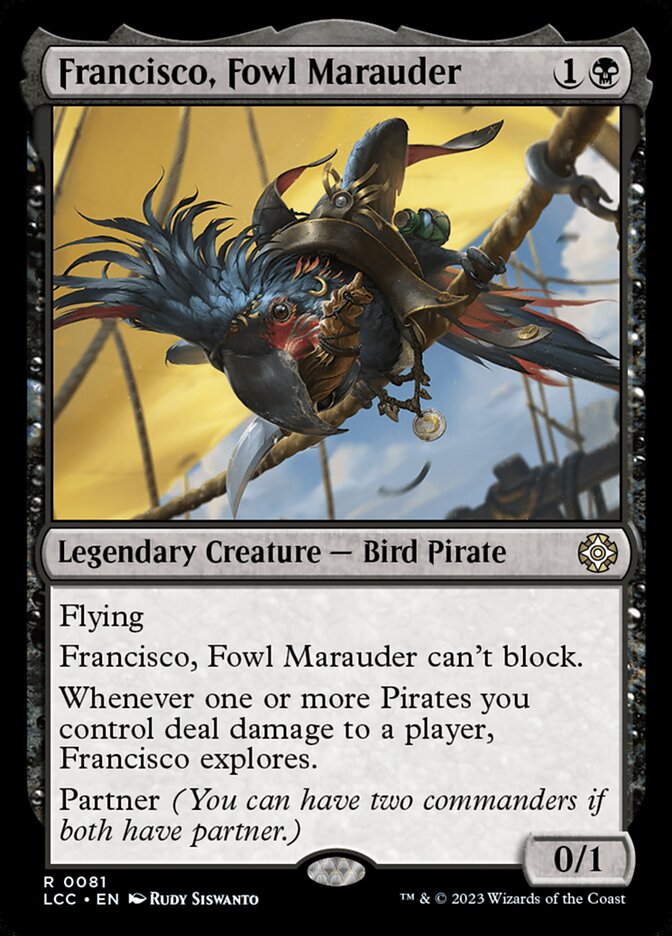
Flying Francisco can't block. Whenever one or more Pirates you control deal damage to a player, Francisco explores. Partner (You can have two commanders if both have partner.)
Complete guide
Francisco, Fowl Marauder is a swift, aggressive commander that thrives on the shared success of his Pirate crew. While he may be a coward when it comes to blocking, his ability to explore whenever his allies strike makes him a powerful engine for card selection and growth.
A Marauder's Instincts
Francisco possesses two distinct keywords: Flying and Partner. Partner allows you to pair him with another commander that also has Partner, potentially expanding your deck's color identity. In combat, Francisco is strictly an attacker; his ability clearly states he can't block. His core mechanic triggers whenever one or more Pirates you control deal damage to a player. Note that this isn't limited to combat damage—any form of damage dealt by a Pirate to a player will trigger the effect.
Navigating the Explore Mechanic
When Francisco's ability resolves, he explores. You reveal the top card of your library. If it is a land, it goes straight to your hand. If it is a nonland card, Francisco receives a +1/+1 counter, and you then decide whether to leave that card on top of your library or put it into your graveyard. This process happens in one smooth motion; once the ability begins to resolve, opponents cannot respond to the revealed card to try and remove Francisco before he gets his counter.
Strategic Deployment
Because the ability triggers for each player dealt damage, you are encouraged to spread your attacks. If you hit three different opponents with Pirates simultaneously, Francisco will explore three times. Even if Francisco leaves the battlefield in response to the trigger, the explore effect still happens. You won't get the +1/+1 counter, but you still get to reveal the card and choose whether to bin it, providing valuable card filtering even in his absence.
Interaction examples
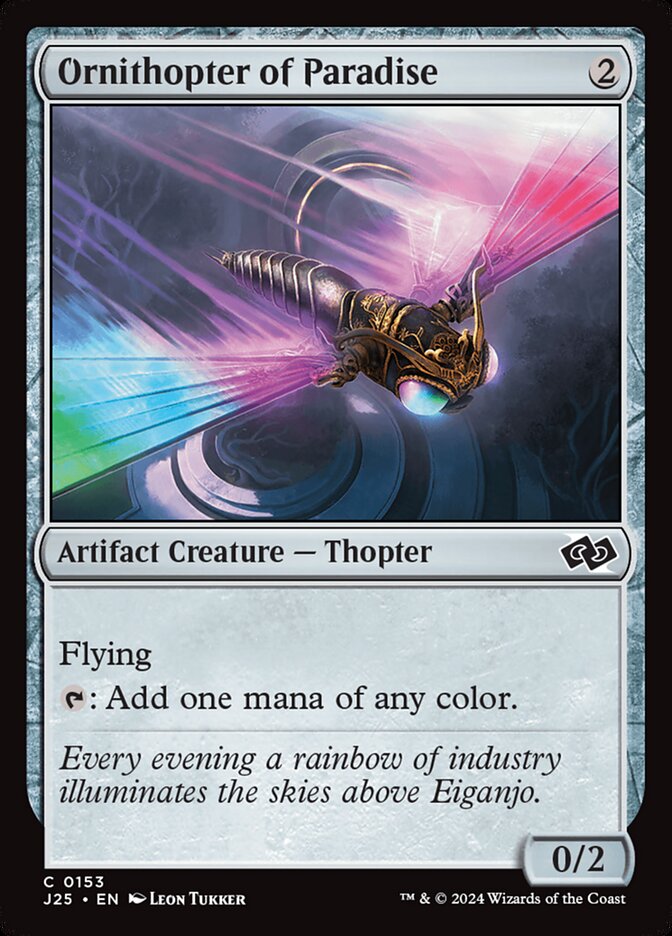 Ornithopter of Paradise
You have Francisco, Fowl Marauder and Ornithopter of Paradise on the battlefield. You move to combat and attack an opponent with Francisco. Since he has Flying, he likely bypasses ground blockers. When Francisco deals combat damage, his ability triggers. You reveal the top card of your library. If it's a land, you add it to your hand; otherwise, Francisco grows to a 1/2 (or larger) and you filter your next draw. The Ornithopter of Paradise provides the mana to cast Francisco early, ensuring the marauding begins as soon as possible.
 Blood Artist
While Blood Artist is not a Pirate and won't trigger Francisco's ability itself, it provides insurance for your aggressive strategy. Suppose you attack with a group of Pirates including Francisco. If your opponent blocks and kills one of your Pirates, Blood Artist triggers to drain life. If Francisco himself survives and dealt damage to the player, he explores. This combination ensures that whether your Pirates are surviving to deal damage or dying in the attempt, you are gaining incremental advantages through card filtering and life swings.
Guide written with AI from the official text and rulings. Official English text prevails.
How it works : Francisco, Fowl Marauder
Original English text — Wizards of the Coast / Scryfall
- #1· Wizards of the Coast
If one or more Pirates you control deal damage to multiple players at once (for example, in combat, or with an ability such as that of Lightning-Rig Crew), Francisco, Fowl Marauder's ability triggers once for each of those players.
No other card is named in this ruling.
- #2· Wizards of the Coast
If your Commander deck has two commanders, you can only include cards whose own color identities are also found in your commanders' combined color identities.
No other card is named in this ruling.
- #3· Wizards of the Coast
Both commanders start in the command zone, and the remaining 98 cards (or 58 cards in a Commander Draft game) of your deck are shuffled to become your library.
No other card is named in this ruling.
- #4· Wizards of the Coast
To have two commanders, both must have the partner ability as the game begins. Losing the ability during the game doesn't cause either to cease to be your commander.
No other card is named in this ruling.
- #5· Wizards of the Coast
Once the game begins, your two commanders are tracked separately. If you cast one, you won't have to pay an additional
 the first time you cast the other. A player loses the game after having been dealt 21 damage from any one of them, not from both of them combined.
No other card is named in this ruling.
- #6· Wizards of the Coast
If something refers to your commander while you have two commanders, it refers to one of them of your choice. If you are instructed to perform an action on your commander (e.g. put it from the command zone into your hand due to Command Beacon), you choose one of your commanders at the time the effect happens.
No other card is named in this ruling.
- #7· Wizards of the Coast
An effect that checks whether you control your commander is satisfied if you control one or both of your two commanders.
No other card is named in this ruling.
- #8· Wizards of the Coast
You can choose two commanders with partner that are the same color or colors. In Commander Draft, you can even choose two of the same commander with partner if you drafted them. If you do this, make sure you keep the number of times you've cast each from the command zone clear for "commander tax" purposes.
No other card is named in this ruling.
- #9· Wizards of the Coast
If an ability instructs a creature to explore, its controller reveals the top card of their library. If it's a land card, they'll put it into their hand. Otherwise, they'll put a +1/+1 counter on that creature, then choose to either leave that card on top of their library or put it into their graveyard.
No other card is named in this ruling.
- #10· Wizards of the Coast
Once an ability that causes a creature to explore begins to resolve, no player may take any other actions until it's done. Notably, opponents can't try to remove the exploring creature after you reveal a nonland card but before it receives a counter.
No other card is named in this ruling.
- #11· Wizards of the Coast
If no card is revealed, most likely because that player's library is empty, the exploring creature receives a +1/+1 counter.
No other card is named in this ruling.
- #12· Wizards of the Coast
If a resolving spell or ability instructs a specific creature to explore but that creature has left the battlefield, the creature still explores. If you reveal a nonland card this way, you won't put a +1/+1 counter on anything, but you may put the revealed card into your graveyard. Effects that trigger "whenever a creature explores" trigger as appropriate.
No other card is named in this ruling.
- #13· Wizards of the Coast
Some spells or abilities might cause a creature to explore multiple times in a row. If you reveal a nonland card when a creature explores and leave it on top of your library, then the creature explores again immediately afterwards, you'll reveal the same card again.
No other card is named in this ruling.
- #14· Wizards of the Coast
In some unusual cases, noncreature permanents may explore. For example, if the creature card returned by Defossilize is somehow not a creature once it's on the battlefield, it can still explore. You'll take all the same actions, and you may end up putting a +1/+1 counter on the permanent. (Note that some effects target a creature, and those effects would still require a legal target to have it explore.)
No other card is named in this ruling.
Popular combos
Real combos played by the community, sorted by popularity.
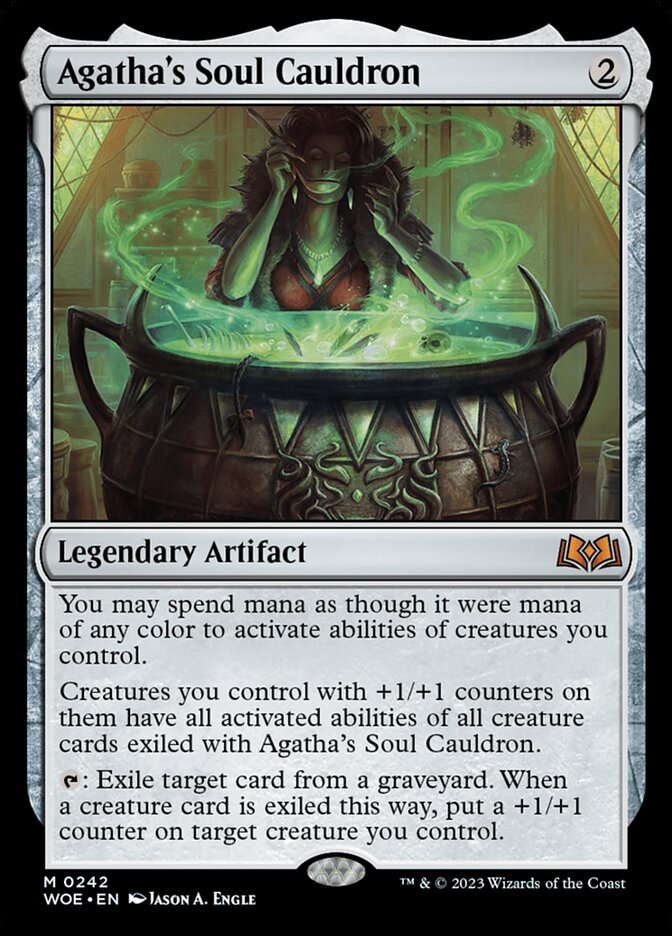
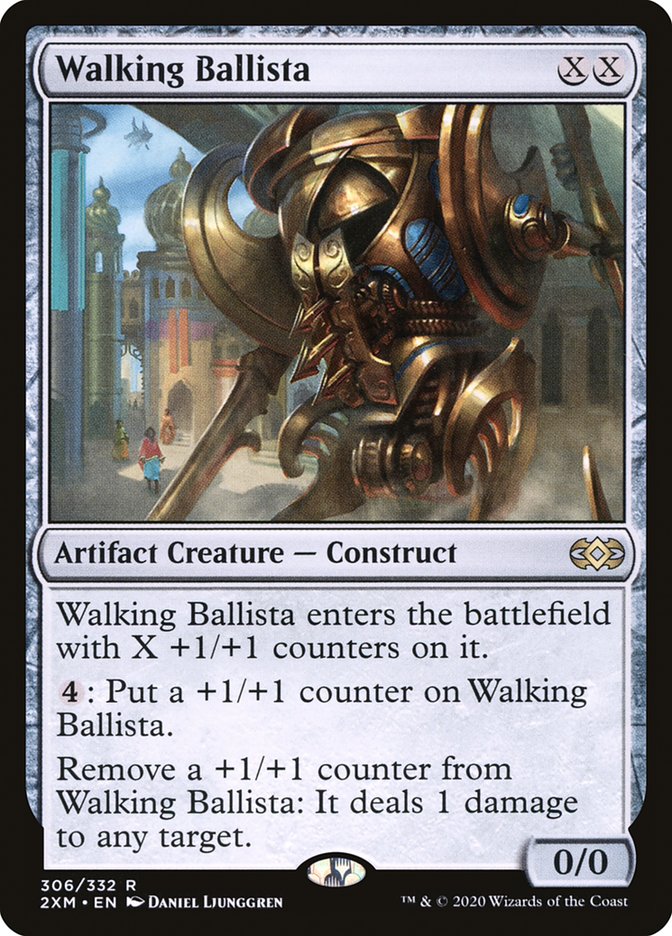
Agatha's Soul Cauldron + Francisco, Fowl Marauder + Walking Ballista
- 1Activate Francisco by using Walking Ballista's ability by removing a +1/+1 counter from it, dealing 1 damage to any target.
- 2Francisco triggers, revealing the top card of your library, then putting it back on top and putting a +1/+1 counter on Francisco.
- 3Repeat.
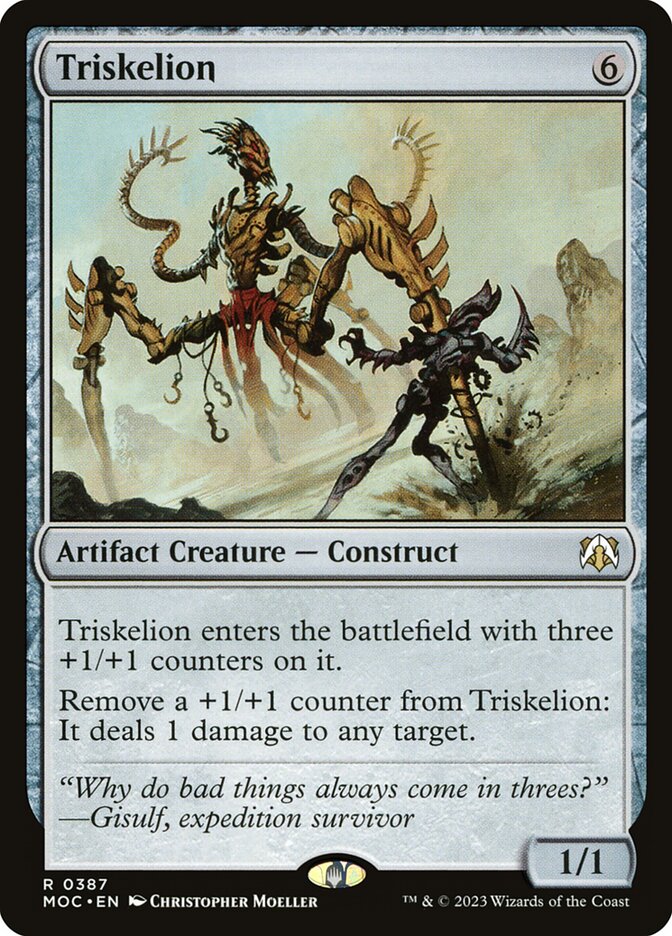
Agatha's Soul Cauldron + Francisco, Fowl Marauder + Triskelion
- 1Activate Francisco by using Triskelion's ability by removing a +1/+1 counter from it, dealing 1 damage to any target.
- 2Francisco triggers, revealing the top card of your library, then putting it back on top and putting a +1/+1 counter on Francisco.
- 3Repeat.
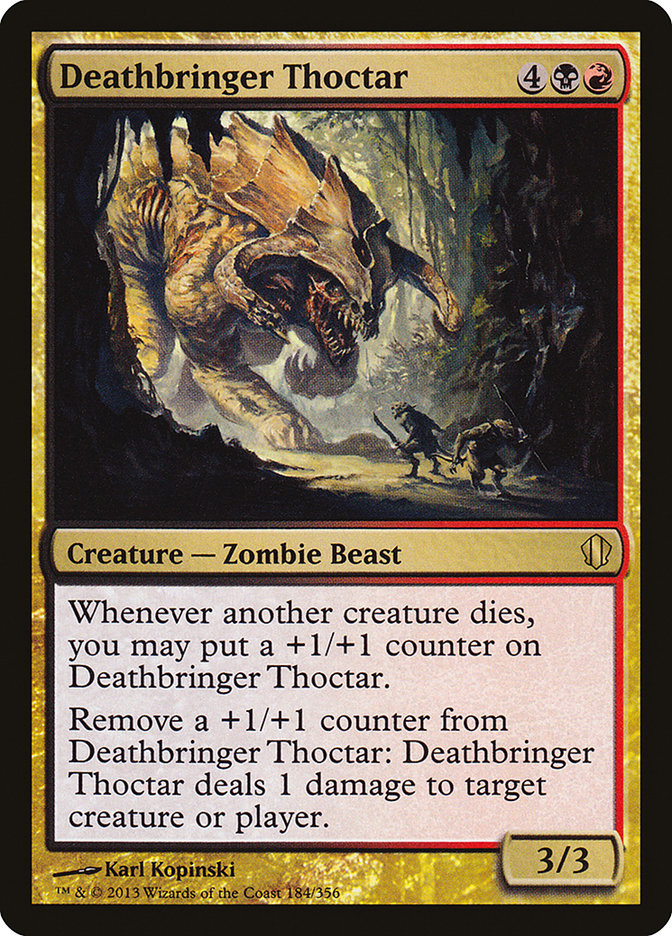
Agatha's Soul Cauldron + Francisco, Fowl Marauder + Deathbringer Thoctar
- 1Activate Francisco by using Deathbringer Thoctar's ability by removing a +1/+1 counter from it, dealing 1 damage to any target.
- 2Francisco triggers, revealing the top card of your library, then putting it back on top and putting a +1/+1 counter on Francisco.
- 3Repeat.
Legal formats
Commentaires
- Sois le premier à commenter cette carte.
Read next
Meta decks with Francisco, Fowl Marauder