

Shared Trauma is one of those cards players keep asking about. Here is, in plain words, what its official text says, the rulings published by Wizards of the Coast, and the combos players actually run.
Official card text
Join forces — Starting with you, each player may pay any amount of mana. Each player mills X cards, where X is the total amount of mana paid this way.
Complete guide
Shared Trauma is a unique black sorcery that utilizes the Join forces mechanic to mill every player at the table. It turns the game into a social negotiation where everyone decides how much they want to fill the graveyards. Whether you are looking to set up your own plays or ruin an opponent's deck, this card scales with the table's collective mana pool.
What it Does
Shared Trauma is a Join forces spell that allows all players to contribute mana to a shared pool. Once all players have had a chance to pay, the total amount of mana spent becomes the value for X. Every player then mills X cards, meaning they take that many cards from the top of their library and put them into their graveyard.
How it Resolves Step by Step
First, the active player (you) chooses how much mana to pay. Then, in turn order, each other player decides how much they wish to contribute. This happens during the resolution of the spell, so no one can cast spells or activate abilities once the paying process starts. After the last player pays, add all the mana together to find X. Finally, every player simultaneously moves the top X cards of their library to their graveyard.
Common Mistakes
A frequent error is trying to respond to the mana payments. Because Join forces happens during resolution, players cannot wait to see how much mana others pay before deciding to cast a spell to stop it. Additionally, remember that X is the total mana paid, not just what you paid personally. Even if you pay zero, you still mill cards if your opponents contribute mana.
When to Play it
This card is most effective when your deck thrives on graveyard recursion or when you are facing opponents who have used powerful library manipulation. It is also a political tool; you might find an ally willing to pay mana to help you both find resources or to collectively mill a common enemy who just put a powerful card on top of their library.
Interaction examples
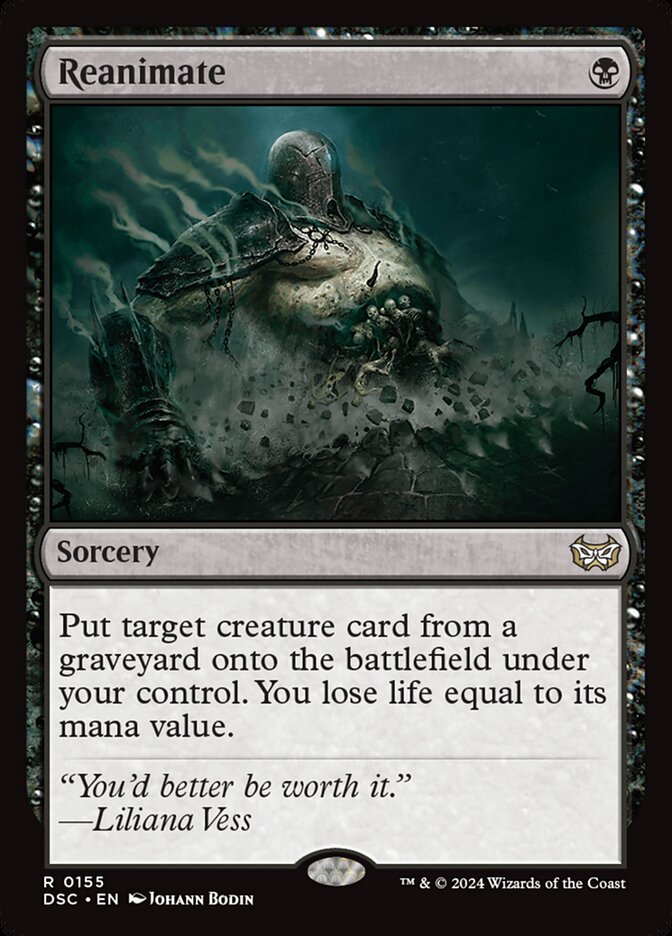 Reanimate
If you cast Shared Trauma and the table pays a total of 10 mana, every player mills 10 cards. If a high-value creature card from any player ends up in a graveyard during this process, you can then follow up by casting Reanimate to bring that creature onto the battlefield under your control, turning the mill into a direct board advantage.
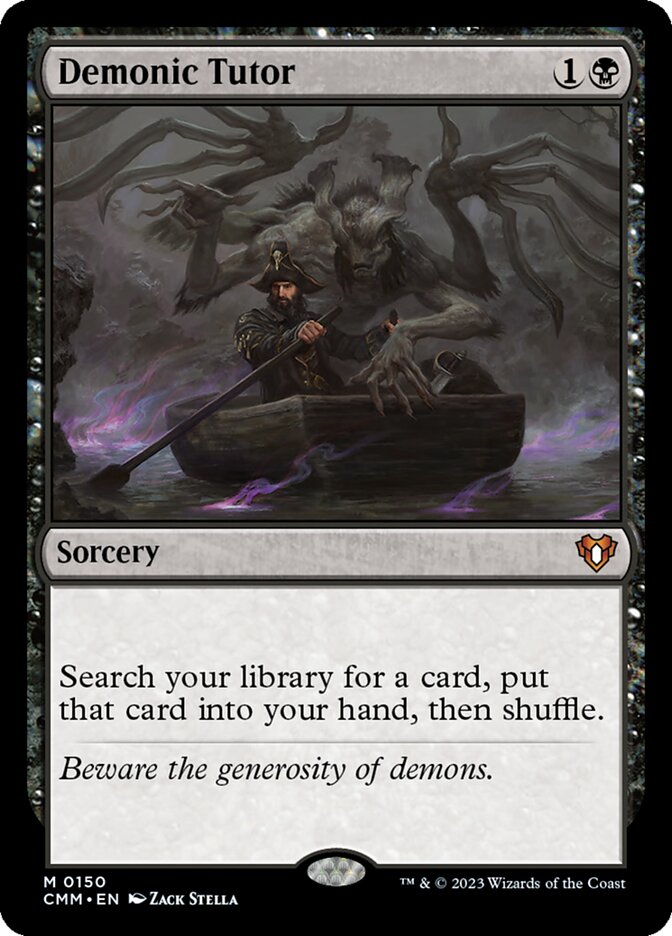 Demonic Tutor
Suppose an opponent casts Demonic Tutor to find a specific card and puts it into their hand. If they then use a different effect to put that card on top of their library (or if they used a tutor that searches to the top), you can cast Shared Trauma. By paying even a small amount of mana, you force them to mill that card, effectively canceling out the benefit of their search.
Guide written with AI from the official text and rulings. Official English text prevails.
How it works : Shared Trauma
Original English text — Wizards of the Coast / Scryfall
No additional ruling has been published for this card.
Popular combos
Real combos played by the community, sorted by popularity.


Shared Trauma + Doomsday Excruciator
- 1Cast Doomsday Excruciator by paying six
 .
- 2When Doomsday Excruciator enters the battlefield, it triggers, exiling all but the bottom six cards of each library.
- 3Cast Shared Trauma by paying , and then choosing to pay an additional
 , milling the remainder of each library.
- 4Move to the next opponent's turn, causing them to lose the game due to attempting to draw from an empty library.
- 5Repeat step 4 for each remaining opponent.
Legal formats
Commentaires
- Sois le premier à commenter cette carte.
Read next
Meta decks with Shared Trauma
No archived Top 8 deck with this card yet.