


Snapback is one of those cards players keep asking about. Here is, in plain words, what its official text says, the rulings published by Wizards of the Coast, and the combos players actually run.
Official card text
You may exile a blue card from your hand rather than pay this spell's mana cost. Return target creature to its owner's hand.
Complete guide
Snapback is a versatile blue instant that allows you to manage the board even when you are fully tapped out. By offering an alternative cost, it ensures that your opponents can never truly feel safe when you have cards in your hand. This card is a staple for tempo-based strategies that need to keep the pressure on while maintaining utility.
The Alternative Cost Mechanism
Snapback features a special alternative cost: you may exile a blue card from your hand instead of paying the mana cost of {1}{U}. When you choose to cast it this way, you are still casting the spell, and it still goes on the stack like any other instant. Regardless of whether you pay mana or exile a card, the mana value of Snapback remains 2, which is determined solely by the symbols in its upper right corner.
Step-by-Step Resolution
First, you announce Snapback and choose a target creature on the battlefield. Second, you choose how to pay for the spell; if you choose the alternative cost, you exile a blue card from your hand. Third, once the spell resolves, the targeted creature is moved from the battlefield to its owner's hand. If the target becomes illegal before resolution (for example, if it gains Hexproof), the entire spell fails to resolve and is put into the graveyard.
Common Mistakes to Avoid
A frequent error is thinking that the exiled card's mana value matters; it does not, as long as the card is blue. Additionally, remember that exiling a card is an alternative cost, not an additional one. You cannot pay both. Furthermore, if an effect like a tax increases the cost of your spells, you must still pay that extra mana even if you chose to exile a card for the base cost.
Strategic Timing
Snapback is best used to disrupt expensive plays or to save your own creatures from targeted removal. Because it can be cast for 'free,' it serves as an excellent defensive tool when you have used all your mana to develop your board state during your own turn.
Interaction examples
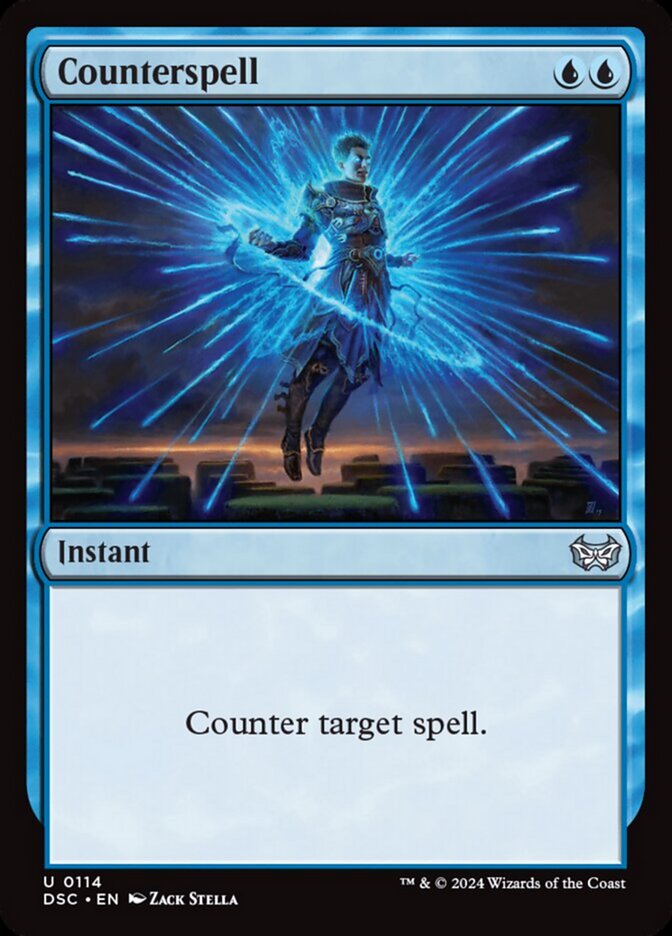 Counterspell
Suppose you want to return an opponent's creature to their hand but you have no mana left. You can exile Counterspell from your hand to cast Snapback. Even though Counterspell is a powerful tool, using it as fuel for Snapback allows you to remove a threat immediately without spending a single island.
 An Offer You Can't Refuse
If you cast Snapback by exiling a blue card, your opponent might try to stop it using An Offer You Can't Refuse. Since Snapback is a noncreature spell, it is a legal target. If they counter it, they will get two Treasure tokens, but your Snapback will be removed from the stack and sent to the graveyard without returning the creature.
Guide written with AI from the official text and rulings. Official English text prevails.
How it works : Snapback
Original English text — Wizards of the Coast / Scryfall
- #1· Wizards of the Coast
To determine the total cost of a spell, start with the mana cost or alternative cost you're paying (such as the alternative cost of Snapback), add any cost increases, then apply any cost reductions. The mana value of the spell is determined by only its mana cost, no matter what the total cost to cast that spell was.
No other card is named in this ruling.
Legal formats
Commentaires
- Sois le premier à commenter cette carte.
Read next
Meta decks with Snapback
No archived Top 8 deck with this card yet.