

Wrath of God is one of those cards players keep asking about. Here is, in plain words, what its official text says, the rulings published by Wizards of the Coast, and the combos players actually run.
Official card text
Destroy all creatures. They can't be regenerated.
Complete guide
Wrath of God is one of the most iconic board wipes in Magic: The Gathering history, setting the gold standard for creature removal since Alpha. For four mana, it clears the entire battlefield of threats, ensuring that no creature—no matter how sturdy—survives the divine judgement.
What It Does
Wrath of God is a sorcery that destroys every creature currently on the battlefield. Notably, it includes a restrictive clause that prevents creatures from being regenerated, meaning abilities that would normally save a creature from destruction will not work here.
Step-by-Step Resolution
When you cast Wrath of God, it moves to the stack. Once both players pass priority and it resolves, the game checks for all permanents with the 'Creature' type. All of these permanents are destroyed simultaneously and moved to their owners' graveyards. Because of the 'can't be regenerated' clause, any activated or replacement effects that would create a 'regeneration shield' are ignored.
Common Mistakes
A frequent error is assuming Wrath of God affects creatures that enter the battlefield later in the turn; it only destroys creatures present at the exact moment of resolution. Additionally, players often confuse 'Indestructible' with 'Regeneration.' While Wrath of God stops regeneration, it does not destroy creatures with the Indestructible keyword, as those creatures are simply not destroyed by effects that say 'destroy.'
When to Play It
This card is best utilized when your opponent has committed multiple creatures to the board and you need a fresh start. It is a powerful tool for control decks to stabilize the game state against aggressive strategies.
Interaction examples
If your opponent controls five Goblins and you control none, casting Wrath of God will destroy all five Goblins. They are placed in the graveyard, and your opponent's board is left empty.
 Sevinne's Reclamation
After you cast Wrath of God to clear the board, you may find yourself needing to bring back a utility permanent. You can then cast Sevinne's Reclamation to return a card like a low-cost creature or land that was lost or discarded earlier, helping you rebuild faster than your opponent.
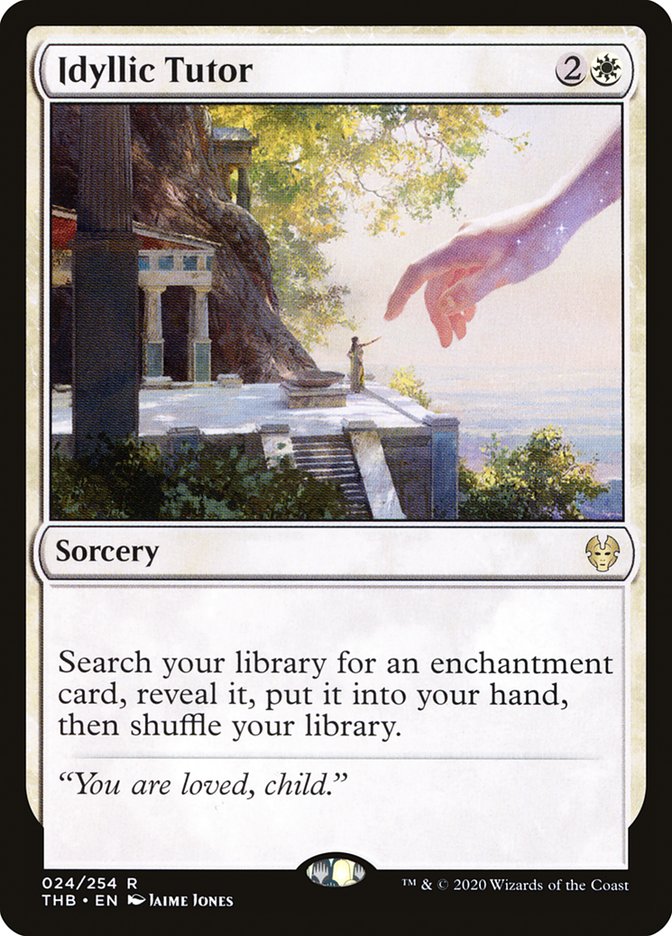 Idyllic Tutor
While Idyllic Tutor searches for enchantments, it highlights the strategic need for specific answers. If you have used Wrath of God to clear the creatures, you might use Idyllic Tutor afterward to find a powerful enchantment to lock down the game now that the immediate creature threat is gone.
Guide written with AI from the official text and rulings. Official English text prevails.
How it works : Wrath of God
Original English text — Wizards of the Coast / Scryfall
No additional ruling has been published for this card.
Popular combos
Real combos played by the community, sorted by popularity.
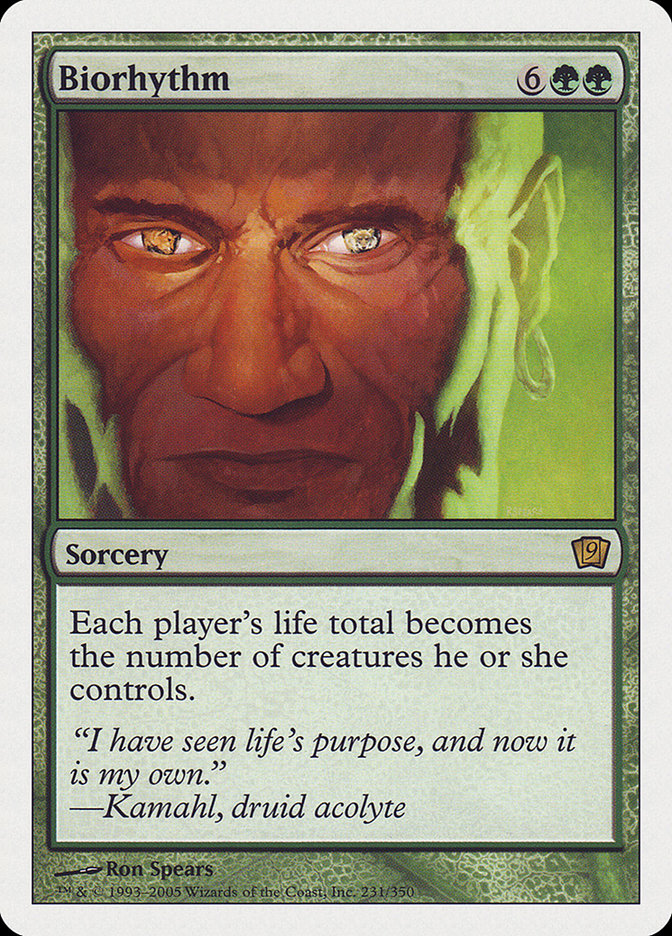

Biorhythm + Wrath of God
- 1Cast Wrath of God by paying its mana cost, destroying all creatures.
- 2Cast Biorhythm by paying its mana cost, causing each player's life total to become equal to the number of creatures they control.
- 3Each player that controls no creatures loses the game due to having 0 life.
Legal formats
Commentaires
- Sois le premier à commenter cette carte.
Read next
Meta decks with Wrath of God
No archived Top 8 deck with this card yet.