


Draconic Muralists is one of those cards players keep asking about. Here is, in plain words, what its official text says, the rulings published by Wizards of the Coast, and the combos players actually run.
Official card text
When this creature dies, you may search your library for a Dragon card, reveal it, put it into your hand, then shuffle.
Complete guide
Draconic Muralists is a versatile Dragon Bard that ensures your legendary fire-breathers are never far from the action. By acting as a powerful tutor upon its death, it allows Green decks to maintain pressure and find the perfect flying threat for any situation. Whether you are building a dedicated Dragon deck or just need a reliable blocker that replaces itself, this creature tells a story that ends with a powerful reinforcement.
A Story Written in Scales
Draconic Muralists features a 'dies' trigger, which means the ability triggers when the creature is put into a graveyard from the battlefield. When this happens, you have the option to search your library for any card with the Dragon subtype. You are not limited to creature cards; as long as the card has the 'Dragon' type in its type line, you can find it, reveal it to your opponents, and add it to your hand.
Navigating the Search
The resolution of this ability is straightforward but requires careful sequence. First, the creature must successfully reach the graveyard. Once the trigger resolves, you search your library. Even if you choose not to find a card, or if there are no Dragons left in your deck, you must still shuffle your library after the search. Because this is a 'may' ability, you can also choose not to search at all, in which case no shuffling occurs.
Common Misconceptions
A common mistake is forgetting that the card must be revealed. Since you are searching for a specific card type (Dragon), the rules require you to show your opponents that the card you selected meets that criteria. Additionally, note that if Draconic Muralists is exiled instead of being put into the graveyard (for example, by a replacement effect), its ability will not trigger at all.
Strategic Timing
Since Draconic Muralists needs to die to provide value, it excels in combat or as a sacrifice target. You should play it when you need a defensive body that discourages your opponent from attacking, as they likely won't want to hand you your best Dragon for free. It also pairs excellently with recursion effects that can bring it back to repeat the process.
Interaction examples
 Solemn Simulacrum
If you have both creatures on the battlefield and an opponent uses a board wipe, both 'dies' triggers will go on the stack. You can choose the order: search for a Dragon with Draconic Muralists and draw a card with Solemn Simulacrum. This ensures your hand stays full of resources even after losing your board presence.
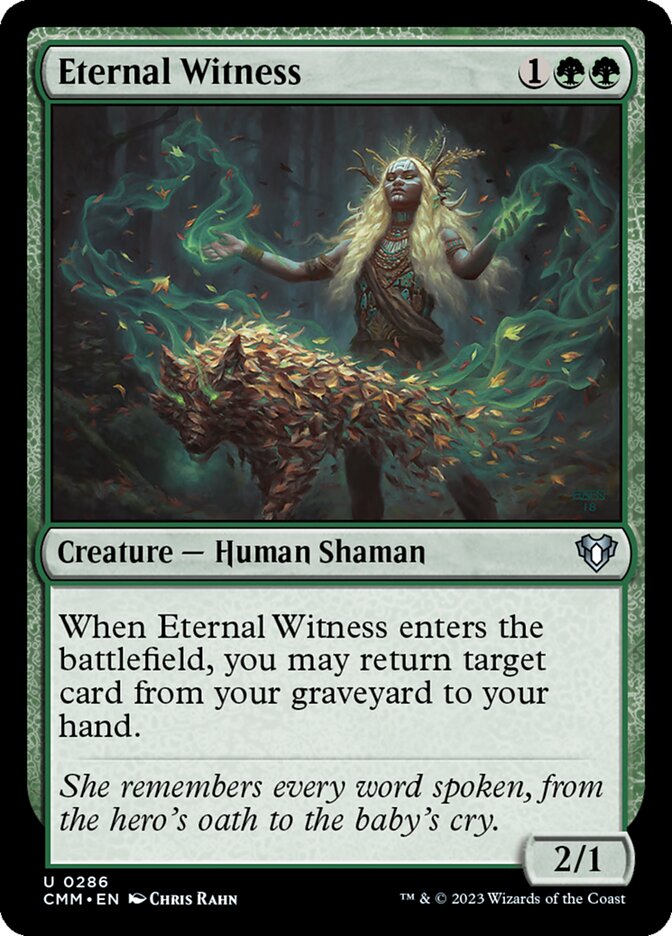 Eternal Witness
If Draconic Muralists has already died and you've tutored for a Dragon, you can play Eternal Witness to return the Muralists from your graveyard to your hand. This allows you to replay the Bard and setup another search, effectively letting you tutor for multiple Dragons throughout the game using the same card.
During your opponent's turn, they attack with a massive creature. You block with Draconic Muralists. When it dies from combat damage, the trigger goes on the stack. You search your library for a high-cost Dragon to cast on your next turn, turning a defensive block into a game-winning offensive setup.
Guide written with AI from the official text and rulings. Official English text prevails.
How it works : Draconic Muralists
Original English text — Wizards of the Coast / Scryfall
No additional ruling has been published for this card.
Legal formats
Commentaires
- Sois le premier à commenter cette carte.
Read next
Meta decks with Draconic Muralists
No archived Top 8 deck with this card yet.