Illusion is one of those cards players keep asking about. Here is, in plain words, what its official text says, the rulings published by Wizards of the Coast, and the combos players actually run.
Complete guide
In the world of Magic: The Gathering, the Illusion creature type represents phantasmal constructs that range from fragile copies to powerful, scaling threats. Whether they are artifacts created by futuristic technology or magical manifestations of a planeswalker's mind, these tokens are versatile tools for any board state. This post explores the mechanics of various Illusion tokens and how to maximize their potential in your deck.
What it Does
An Illusion is a creature type found on both cards and tokens across all colors, though predominantly in blue. Most Illusion tokens are created by triggered or activated abilities of other permanents. While the base Illusion token is often a simple 1/1 blue creature, many specific cards create specialized versions with unique characteristics, such as flying, scaling power and toughness based on your hand size, or even being artifacts in addition to creatures.
How it Resolves
When an effect tells you to create an Illusion token, the process follows standard token creation rules. First, the ability or spell that creates the token must resolve. Once it does, the token enters the battlefield with the specific characteristics (color, power, toughness, and abilities) defined by the source. If the source says the token is a copy of another creature, like those created by Preston, the Vanisher, it inherits the copiable values of that creature but retains the Illusion type and specific stat changes mentioned in the ability.
Common Mistakes
A common point of confusion involves the 'sacrifice when targeted' clause. While iconic to cards like Phantasmal Image, this is not an inherent rule for the Illusion creature type. Unless the specific effect creating the token states it has that ability, your Illusion tokens do not die simply because they were targeted. Another mistake is forgetting that 'artifact' is a card type; tokens created by cards like Holo-Engineer are both Artifacts and Creatures, making them susceptible to both Disenchant and Murder.
When to Play It
Illusion tokens are best utilized in decks that reward creature ETB (enters-the-battlefield) triggers or those that care about specific creature types. Lord of the Unreal is a premier engine for these decks, providing both a stat boost and protection. Because many Illusions are created 'for free' via triggers—like Murmuring Mystic or Minn, Wily Illusionist—they are excellent for stabilizing a board against aggressive strategies or providing fodder for sacrifice costs.
Interaction examples
If you have Lord of the Unreal on the battlefield and cast Phantasmal Image, choosing to copy the Lord, the new Image becomes an Illusion in addition to its other types. Because it is an Illusion, the original Lord of the Unreal gives it +1/+1 and hexproof. This hexproof is vital because it prevents opponents from targeting the Image, effectively neutralizing the Image's inherent drawback of needing to be sacrificed when targeted.
When Skyclave Apparition leaves the battlefield, its triggered ability checks the mana value of the card it exiled. It then creates a blue Illusion creature token with power and toughness equal to that mana value. Unlike some other Illusions, this token has no abilities and is not an artifact; it is a vanilla creature whose size is locked in at the moment of creation based on the exiled card's characteristics.
With Minn, Wily Illusionist on the field, activating Meloku the Clouded Mirror's ability to create a 1/1 flying Illusion will buff any tokens Minn previously created. Minn's tokens have an ability that checks the number of other Illusions you control. As Meloku creates more tokens, Minn's Illusions grow in power. If one of these high-power Illusions dies, Minn allows you to put a permanent from your hand onto the battlefield for free, provided its mana value is low enough.
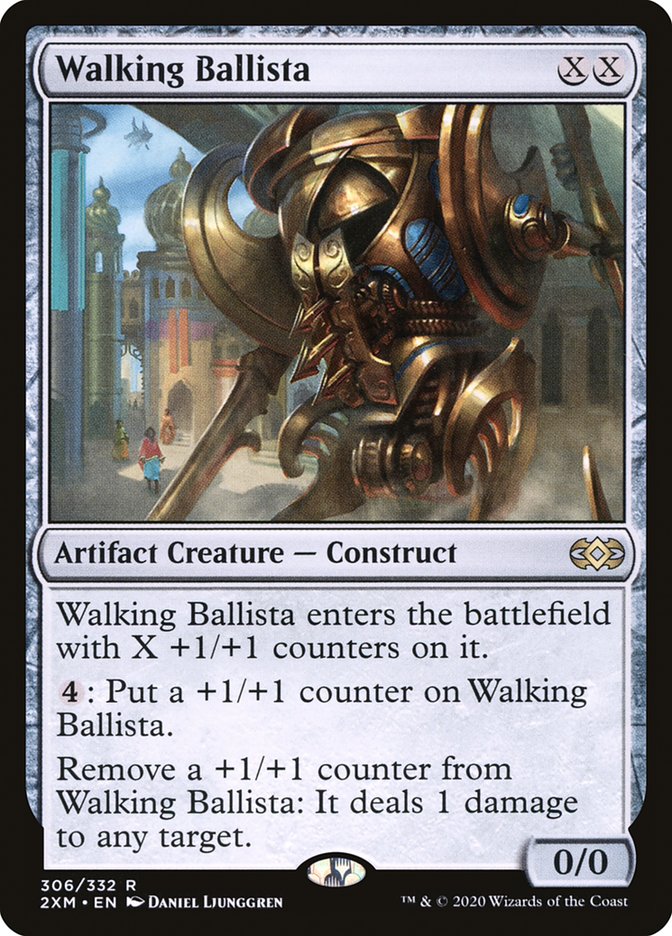 Walking Ballista
If Walking Ballista enters the battlefield from your graveyard (not cast), Preston, the Vanisher triggers. You create a token copy of Walking Ballista, but it is a 0/1 white Illusion. Note that since the token copy was not cast and enters the battlefield as a copy, X is treated as 0. The token will enter with zero +1/+1 counters and immediately be put into the graveyard as a state-based action for having 0 toughness, unless an anthem effect like Lord of the Unreal is raising its toughness.
Guide written with AI from the official text and rulings. Official English text prevails.
How it works : Illusion
Original English text — Wizards of the Coast / Scryfall
No additional ruling has been published for this card.
Interactions with other cards
These cards' text mentions Illusion.

When this creature enters, exile up to one target nonland, nontoken permanent you don't control with mana value 4 or less. When this creature leaves the battlefield, the exiled card's owner creates an X/X blue Illusion creature token, where X is the mana value of the exiled card.
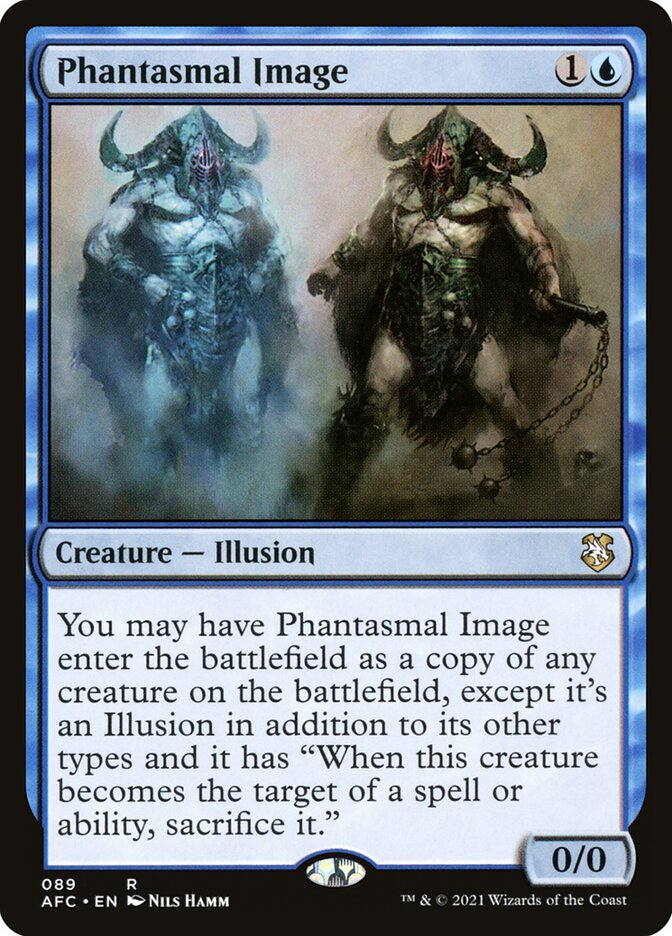
You may have this creature enter as a copy of any creature on the battlefield, except it's an Illusion in addition to its other types and it has "When this creature becomes the target of a spell or ability, sacrifice it."
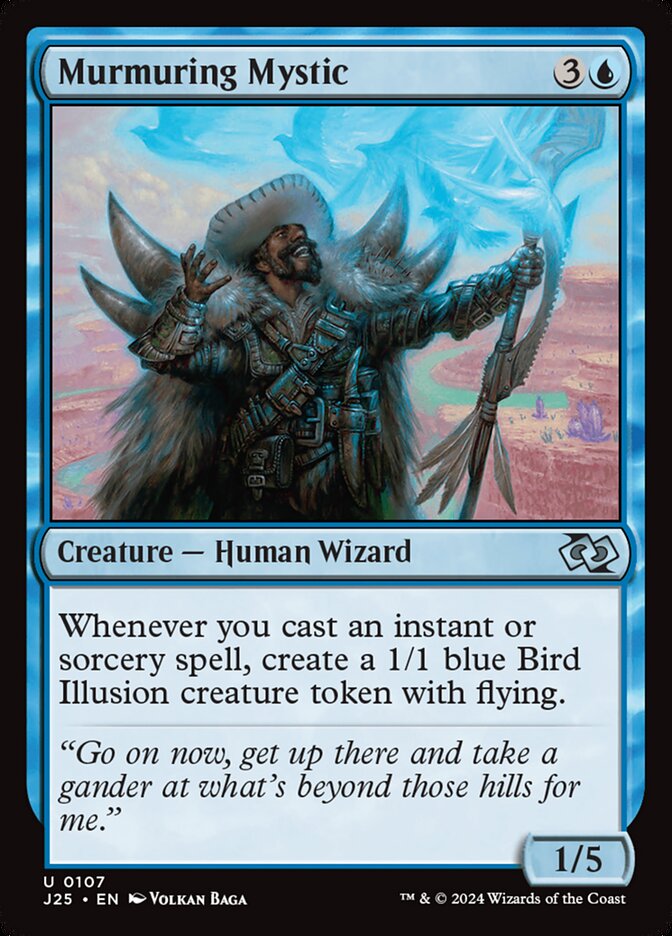
Whenever you cast an instant or sorcery spell, create a 1/1 blue Bird Illusion creature token with flying.
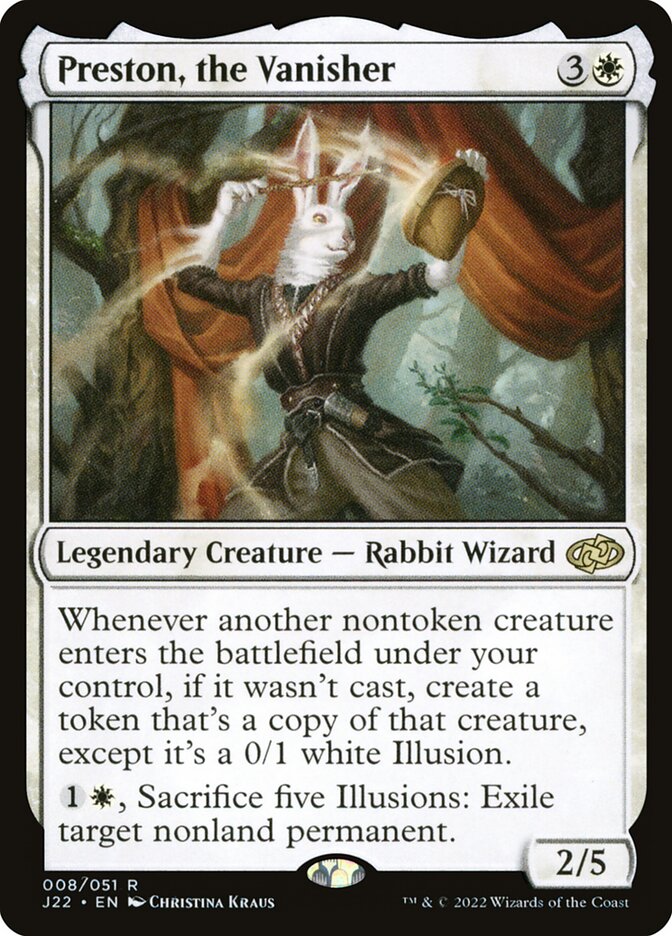
Whenever another nontoken creature you control enters, if it wasn't cast, create a token that's a copy of that creature, except it's a 0/1 white Illusion. {1}{W}, Sacrifice five Illusions: Exile target nonland permanent.
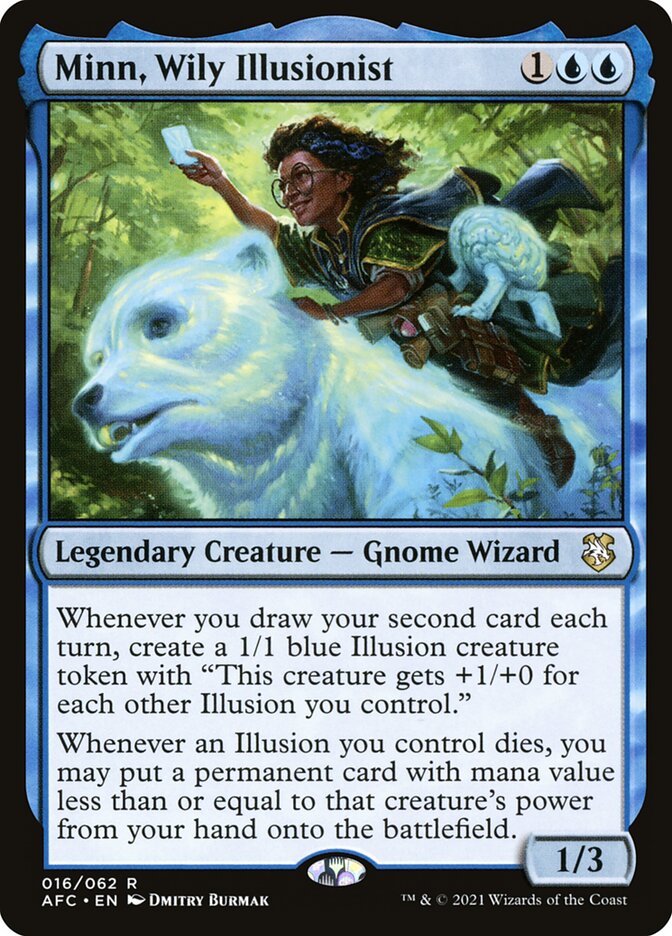
Whenever you draw your second card each turn, create a 1/1 blue Illusion creature token with "This token gets +1/+0 for each other Illusion you control." Whenever an Illusion you control dies, you may put a permanent card with mana value less than or equal to that creature's power from your hand onto the battlefield.

At the beginning of each opponent's draw step, you draw a card. +1: Create a 1/1 blue Illusion creature token. −2: For each opponent, return up to one target artifact or creature that player controls to its owner's hand. −6: Draw three cards. Then put X +1/+1 counters on each creature you control, where X is the number of cards in your hand.

Flying Whenever you cast a noncreature spell, create an X/X red Dragon Illusion creature token with flying and haste, where X is the amount of mana spent to cast that spell. Exile that token at the beginning of the next end step.
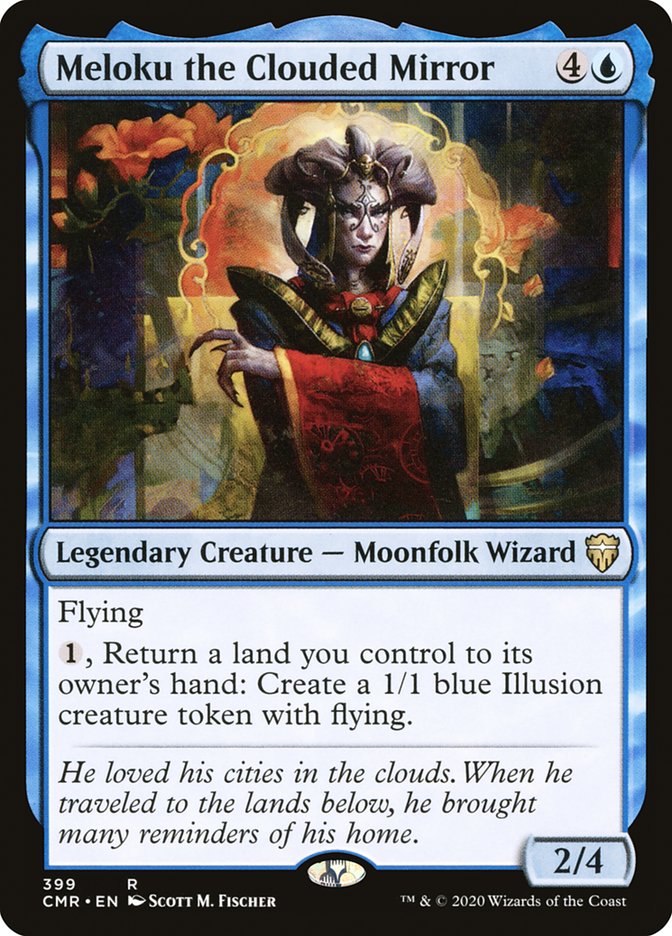
Flying {1}, Return a land you control to its owner's hand: Create a 1/1 blue Illusion creature token with flying.
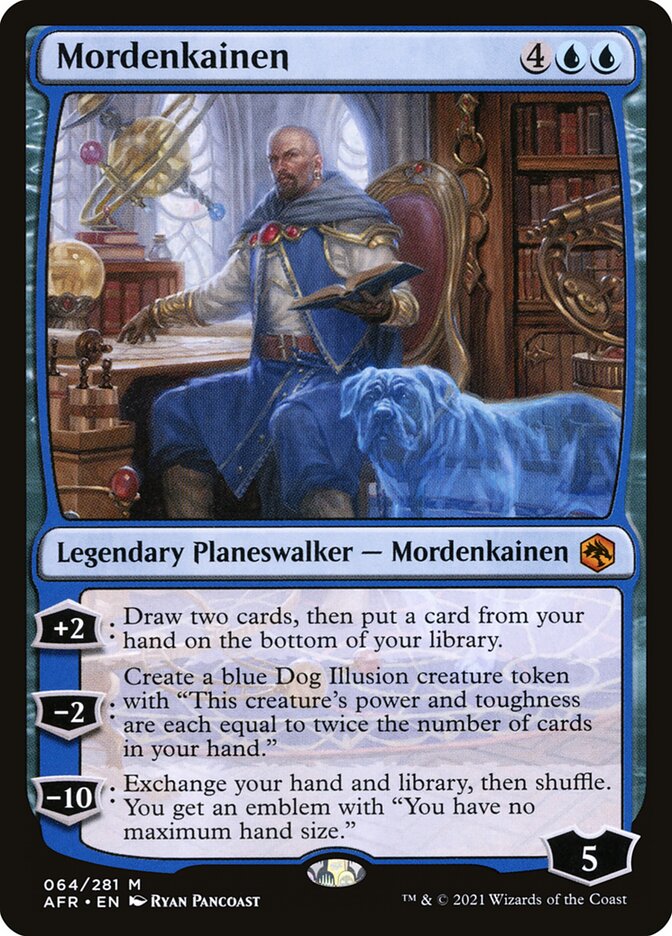
+2: Draw two cards, then put a card from your hand on the bottom of your library. −2: Create a blue Dog Illusion creature token with "This token's power and toughness are each equal to twice the number of cards in your hand." −10: Exchange your hand and library, then shuffle. You get an emblem with "You have no maximum hand size."
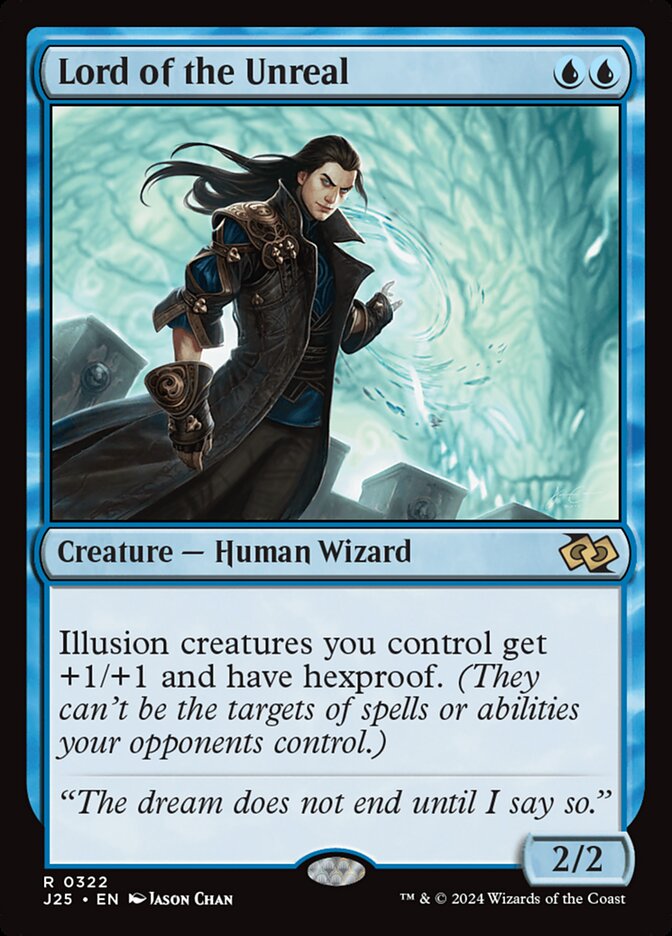
Illusion creatures you control get +1/+1 and have hexproof. (They can't be the targets of spells or abilities your opponents control.)
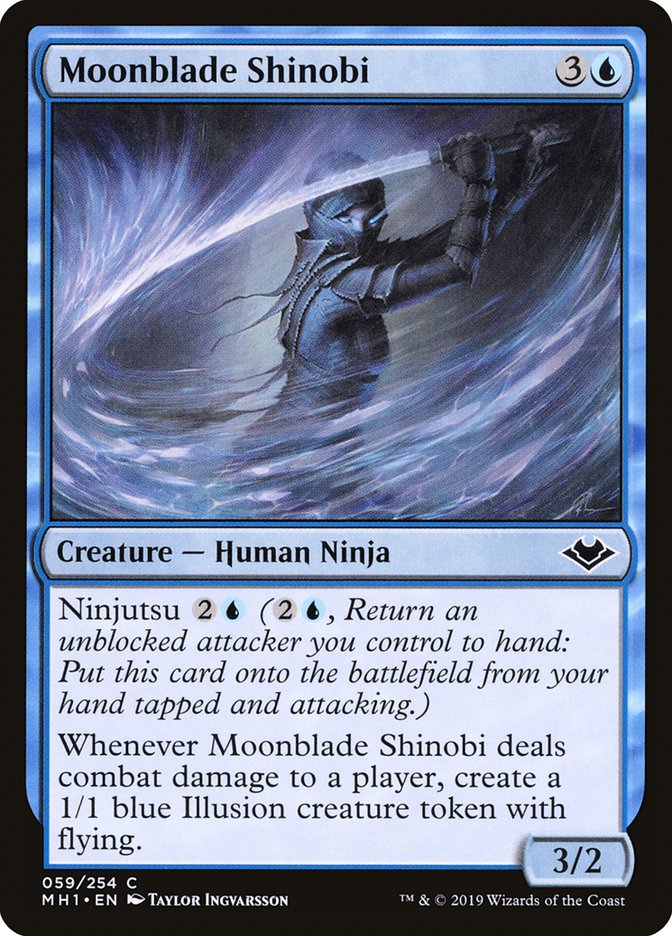
Ninjutsu {2}{U} ({2}{U}, Return an unblocked attacker you control to hand: Put this card onto the battlefield from your hand tapped and attacking.) Whenever this creature deals combat damage to a player, create a 1/1 blue Illusion creature token with flying.

Whenever Loki attacks, create a tapped and attacking token that's a copy of another target Villain you control, except it isn't legendary and it's an Illusion in addition to its other types. Sacrifice that token at the beginning of the next end step. Whenever one or more Villains you control deal combat damage to a player, draw a card.
Related cards and tokens
Commentaires
- Sois le premier à commenter cette carte.